
How to Improve Your Google Rankings in 2026
In the ever-evolving world of digital marketing, achieving top positions
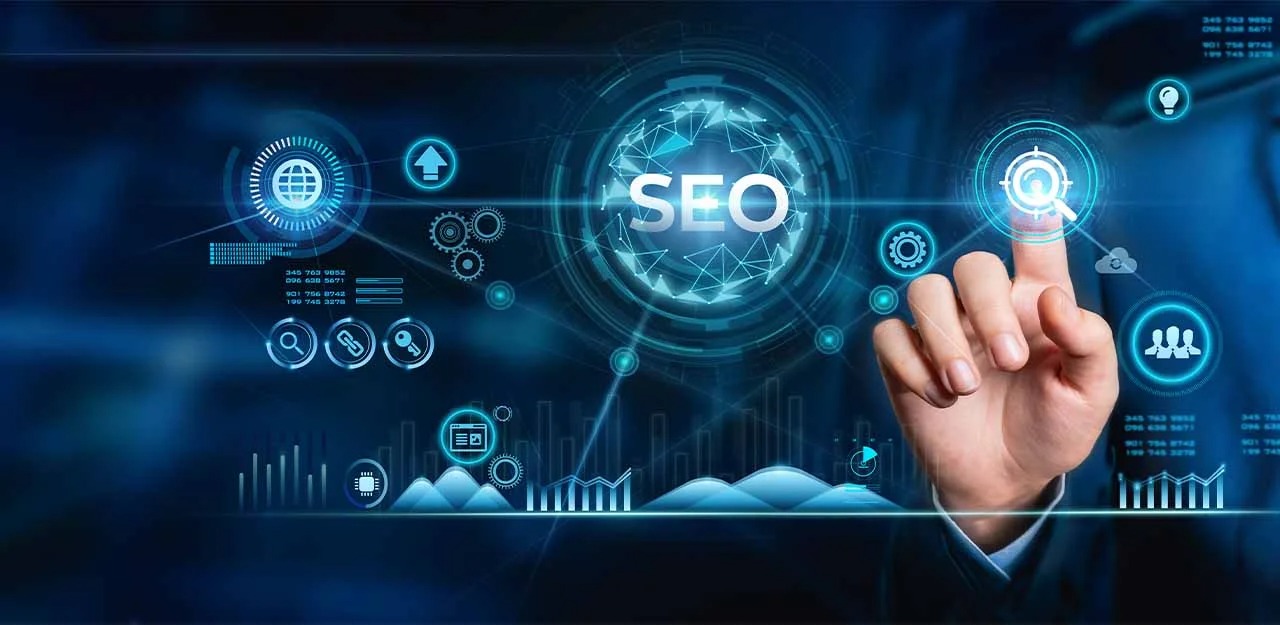
Search Engine Optimization (SEO) is one of the most powerful digital marketing strategies for improving website visibility, increasing organic traffic, and generating quality leads. SEO is mainly divided into two important parts: On-Page SEO and Off-Page SEO. While both techniques are different, they work together to improve search engine rankings and strengthen your online presence.
Many businesses focus only on one type of SEO, but real success comes when both on-page and off-page SEO strategies are combined effectively. Together, they help search engines understand your website, improve user experience, and build trust and authority online.
On-Page SEO refers to all optimization activities performed inside the website. It focuses on improving website content, structure, and technical elements to make webpages more search-engine-friendly and user-friendly.
The main goal of on-page SEO is to help search engines understand the content of your website while providing a better experience to users.
For example, if a business website has optimized keywords, quality content, and fast-loading pages, it becomes easier for Google to rank those pages higher in search results.
Off-Page SEO refers to all activities performed outside the website to improve website authority, credibility, and popularity. It focuses on promoting your website across different platforms to gain trust from search engines.
Off-page SEO helps search engines understand how trustworthy and valuable your website is compared to competitors.
For example, when trusted websites link to your content, Google considers your website more authoritative, which can improve rankings significantly.
On-page SEO and off-page SEO are interconnected. One cannot deliver maximum results without the support of the other. A website with strong backlinks but poor content may not rank well for long. Similarly, a well-optimized website without backlinks may struggle to gain authority.
Strong on-page SEO creates high-quality and informative content. Valuable content naturally attracts backlinks from other websites, which strengthens off-page SEO efforts.
A fast, mobile-friendly, and easy-to-navigate website improves user engagement. When users spend more time on your website, it increases credibility and supports off-page marketing strategies.
Off-page SEO builds authority through backlinks and online mentions. These external signals help search engines trust the optimized pages created through on-page SEO.
Sharing optimized website content on social media platforms helps increase traffic, brand awareness, and online engagement, supporting both SEO strategies together.
To achieve long-term digital growth, businesses must balance both on-page and off-page SEO. Combining these strategies helps:
Businesses that invest in both SEO techniques usually achieve better online performance compared to those focusing on only one aspect.
Both On-Page SEO and Off-Page SEO are essential for successful digital marketing. On-page SEO improves website quality and relevance, while off-page SEO builds authority and trust. When combined strategically, they create a strong SEO foundation that helps websites rank higher, attract more visitors, and achieve sustainable business growth.
In the ever-evolving world of digital marketing, achieving top positions

In today’s highly competitive online marketplace, every business in Rajasthan